
What a radiator thermostatic valve means

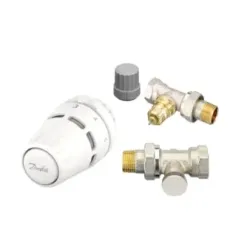
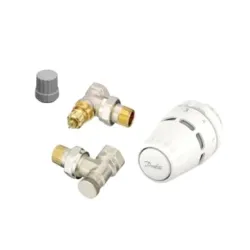
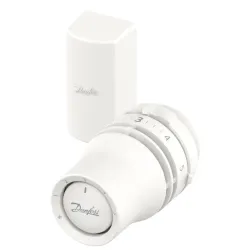
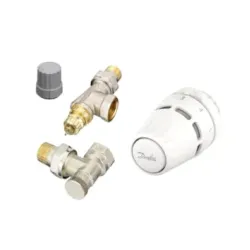
A thermostatic valve on a radiator is the mechanism that changes heat-carrier flow. The thermostatic head (sensor) feels air temperature and “tells” the valve to close when the room is warm enough, or open when it cools. Together they keep comfort without a constant “hand on the boiler”.
How it works simply
- You set the desired level on the head (often numbers 1–5, not °C immediately).
- When the room warms, the head element expands and presses the valve — flow decreases.
- When it cools — the opposite: the valve opens, the radiator gets warmer.
This is not a room thermostat for the whole house. It regulates this radiator. The whole house still depends on the boiler/pump and balancing.
Kit vs separate parts
What to read on the card
- DN / connection (straight, angled…).
- Compatibility with the head.
- Whether a return valve is in the kit.
Typical mistakes
- Covering the head behind a thick curtain / furniture — the sensor “thinks” the room is cold and keeps the radiator hot.
- Fitting a foreign head on an incompatible valve.
- Expecting a thermostatic valve to “cure” poor circulation — then see circulation pump.
FAQ
Why is the radiator warm only at the top?
Often air in the system or a flow/balancing issue — not a “bad head”. Check bleeding and the system.
Can I close the valve fully?
For service — yes (also with the return valve). Leaving it “closed and forgotten” long-term without understanding the system can affect hydraulics; better set a low level or follow project logic.

Reviews
Be the first to review this article.
Write a review