
Oil or oil-free compressor?

“Oil or oil-free?” invites absolute answers. In practice there are none — only two construction philosophies with different trade-offs.
Basics: how to choose. Range: Compressors.
What actually differs
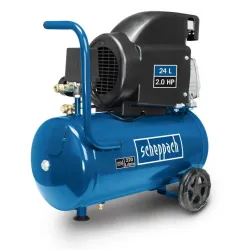
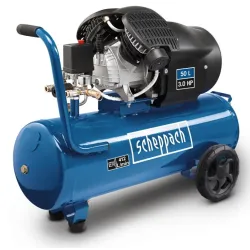
Oil-free units are built so you do not manage pump oil the way you do on lubricated pistons. They are often lighter, more compact, and simpler for home/garage use, with lower oil-mist risk in the air path — useful for painting, though moisture still needs filtration.
Oil-lubricated pumps use oil for lubrication/cooling/sealing depending on design. Often chosen for heavier/longer duty — but “pro = oil” is not a law. Always read the specific card.
Oil-free — who it fits
Oil — who it fits
Noise, air quality, care
Recommendations by scenario
- Occasional home/garage, simple care — oil-free.
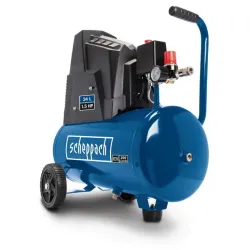
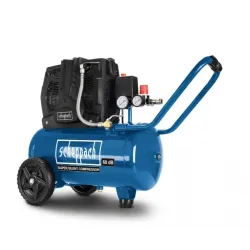
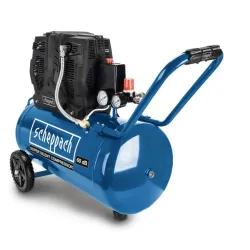
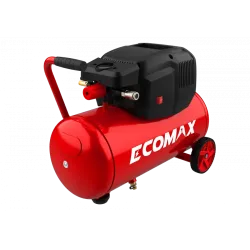
- Quiet + oil-free — HC25Si / HC51Si / Ecomax Silent.
- Heavier workshop, willing to maintain — oil models (per card) + filtration when cleanliness matters.
Common mistakes
- Claiming one type is always better.
- Relying on “oil-free” alone for painting without moisture planning.
- Confusing type with output: oil-free silent ≠ enough L/min for a heavy tool.
Filter Compressors by type/silent. Parameters: bar, l/min, tank.
Reviews
Be the first to review this article.
Write a review