
Electric or hydronic towel rail — what to choose

This is not “which looks nicer”, but “what energy source and connection you have”. Main guide: how to choose a towel rail.
Comparison table
| Hydronic | Electric | |
|---|---|---|
| Energy | Heating heat carrier | Electricity |
| Season | Mainly heating season | Year-round |
| Mounting | Connection to the circuit + valves | Safe socket / fixed connection in a wet zone |
| When | Renovation with heating outlets | No convenient heating line; need it in summer |
Hydronic — when it is logical
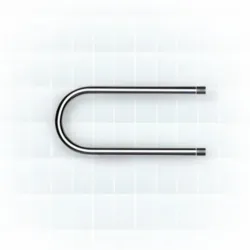
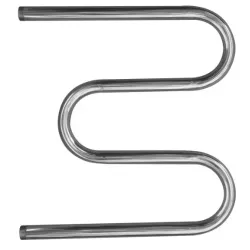
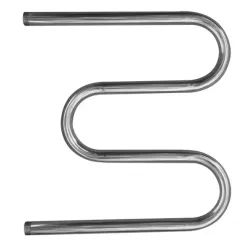
If the bathroom already has (or will have) a heating connection, a hydronic model is a natural choice: heat “comes with” the system. Range examples (check type on the card): Semko U 250×400, U 250×500, U 250×800, M 500×400, M 500×450.
Electric — when it is logical
If there are no heating outlets and you do not want to pull a new circuit, electric solves drying in summer too. The cost is not only the unit, but also safe electrical mounting in a wet room — often a pro.
What not to mix up
- A hydronic model without a circuit will not “heat from the air”.
- Electric is no excuse to ignore IP/safety in the bathroom.
- Neither is the main room radiator — radiator.
FAQ
Can I “convert” hydronic to electric?
Some models have an element/kits — only if the manufacturer intends it. Do not DIY “plug a heater” into a foreign design.
Which is cheaper to run?
Depends on electricity price and how often you heat. Hydronic typically “rides along” with heating; electric — the meter. Choose by connection reality, not only a bill guess.
Reviews
Be the first to review this article.
Write a review