
Built-in or deck-mounted mixer — what to choose

In the catalogue built-in mixers look “cleaner”: only a plate on the wall. In practice that means a built-in body, precise depth and access for service. A deck-mounted model is visible, but often quicker to replace in a typical renovation. This page helps you choose honestly. Basics: how to choose a mixer tap.
Comparison
| Deck-mounted | Built-in | |
|---|---|---|
| What is visible | Whole body | Plate + handle |
| What must be prepared | Pipes / holes in basin or wall | Body in wall + waterproofing + depth |
| Service | Usually easier access | Depends on hatch / plate removal |
| When to choose | Standard replacement, DIY | New tile project, concealed mounting |
Deck-mounted — typical scenarios
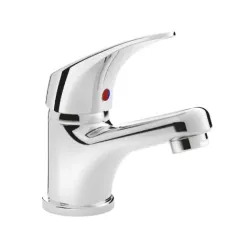
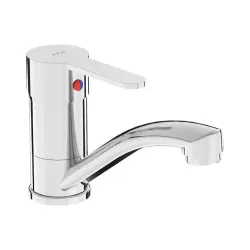
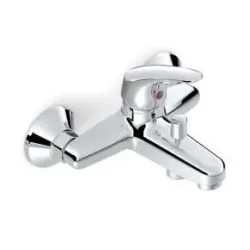
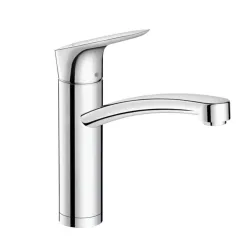
Replace an old basin mixer: Jika Talas, Jika Lyra Smart. Kitchen Logis class: Hansgrohe Logis 160. Deck-mounted bath: Jika Talas for bath.
Built-in — what to check before buying
- Is there already a built-in body in the wall and which model?
- Does the new plate fit the same body (mixing brands often fails)?
- Is there access to valves and filters before the wall?
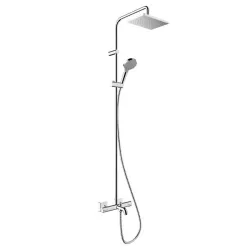
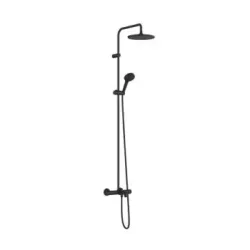
Shower systems with thermostat (examples in the range): Hansgrohe Vernis Shape 230 I, Hansgrohe Vernis Blend 240 — count them as systems, not as “a normal mixer with a different look”.
Typical mistake
Buying built-in “because Instagram”, then discovering the wall only has two pipes for a deck-mounted model. Second mistake — buying a new plate for a different brand than the body.
What’s next
Place (kitchen/bath): comparison. Parameters: spout and cartridge. Replacement for deck-mounted: how to replace. Mixer taps.
Reviews
Be the first to review this article.
Write a review