
Account
Catalog
Information
Cart

Your shopping cart is empty!

Add products from the catalog to start shopping.

Continue

PALĪGS

How to choose a drill?

Not sure which drilling tool to choose? Answer a few simple questions — PALĪGS will help you find the right type.

One helper — many solutions

PALĪGS

Start choosing

A drill looks simple — until you start comparing volts, Nm and SDS. In practice the choice becomes clear when you start with the job: drill, drive screws, or both, and the material you work with most often.

Three types, three different jobs

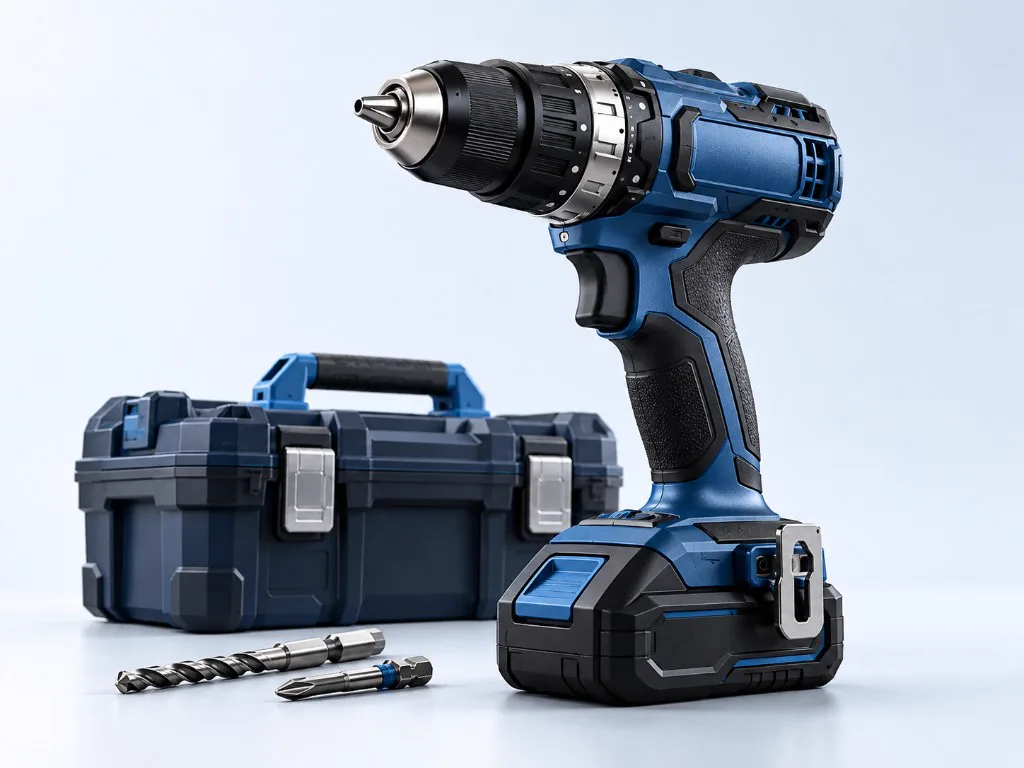
A cordless drill is the everyday workhorse for wood, furniture, plasterboard and light fastening. Compact and ready without a cord, it is often the right first tool.

An impact drill adds hammer action for brick and block. If you sometimes drill masonry but concrete is not daily work, this type is often enough — yet it is still not a rotary hammer.

A rotary hammer with SDS is a different tool for concrete and stone. SDS, impact mechanism and bits are not “a bigger drill” — they are a separate class when the material demands it.

How to think before counting volts

If the main job is driving screws, a cordless driver may be enough. For holes and screws in wood, a classic drill fits. For concrete, PALĪGS steers you to a rotary hammer instead of forcing a light cordless model into the wrong job.

Nm, V and Ah matter later — once the type is clear. PALĪGS deliberately does not start with those numbers.

How to use this helper

Answer about the job, material, frequency and whether you need a battery kit. If unsure, choose “I don’t know”. Recommendations are based on your steps and real products from the INVENTĀRS catalogue.

Frequently asked questions

Drill vs rotary hammer?
A drill makes holes in wood and metal. A rotary hammer with SDS is for concrete.

Useful guides

Trusted brands

Proven quality

Fast delivery

Locker €4.90 · LV · LT · EE

Easy returns

14 days

Secure payments

Online banking

Support

Help choosing