
How to choose a basin for bathroom and kitchen

The basin decides which mixer fits, which trap fits and whether the vanity “stresses”. If you start with the prettiest ceramic, you often end with wrong holes or too short a spout. This guide teaches choosing a basin in sequence.
Related: mixer, over/under/inset, trap, plumbing map.
Three measurements before the catalogue
- Width × depth — how much fits the furniture/niche.
- Mixer holes — 1 hole, 3 holes, no hole (wall mixer).
- Trap and feed space — under a vanity there is often a “squeeze”.
Size examples in the range
| Width | When typical | Example |
|---|---|---|
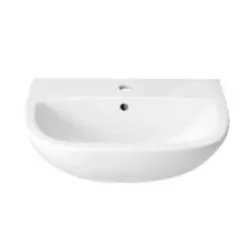
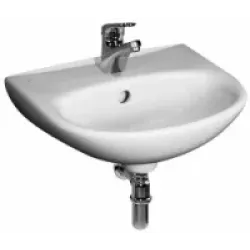
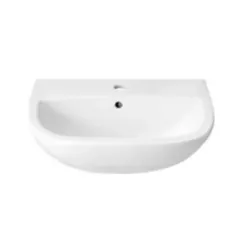
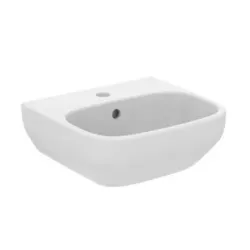
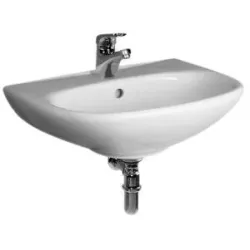
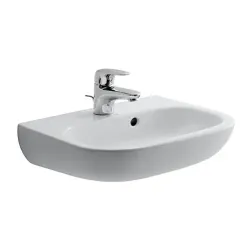
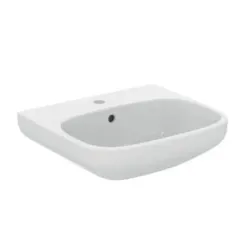
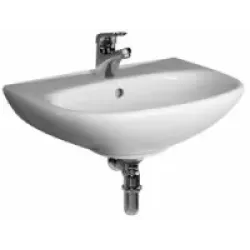
| ~400 mm | Guest WC, narrow niche | Jika Zeta 400×320, Ideal Standard iLife A 400×360 |
| ~500 mm | Standard bathroom | Jika Euroline 500×400, Zeta 500×400, iLife A 500×440 |
| ~550–600 mm | Wider zone, more comfortable washing | Euroline 550×450, Zeta 550×440, Duravit D-Code 600×460, Lyra Plus 450×370 |
Mixer and spout
A low spout on a deep bowl and a long spout on a narrow basin are two mistakes. First basin depth/holes, then mixer and spout/cartridge.
Typical mistakes
- Buying a basin without a trap plan — trap.
- Ignoring mounting type — over/under.
- “Almost 500” against a vanity that takes exactly 500.
Short path
- Measure the space and read the holes.
- Choose mounting type.
- Compare 2–3 cards (Euroline 500 vs Zeta 400).
- Complete mixer + trap.
Jika · Ideal Standard · Basins.
FAQ
Are kitchen and bathroom basins “the same”?
No. Kitchen often needs a deeper bowl and a different mixer. Do not mix by colour.
Reviews
Be the first to review this article.
Write a review